
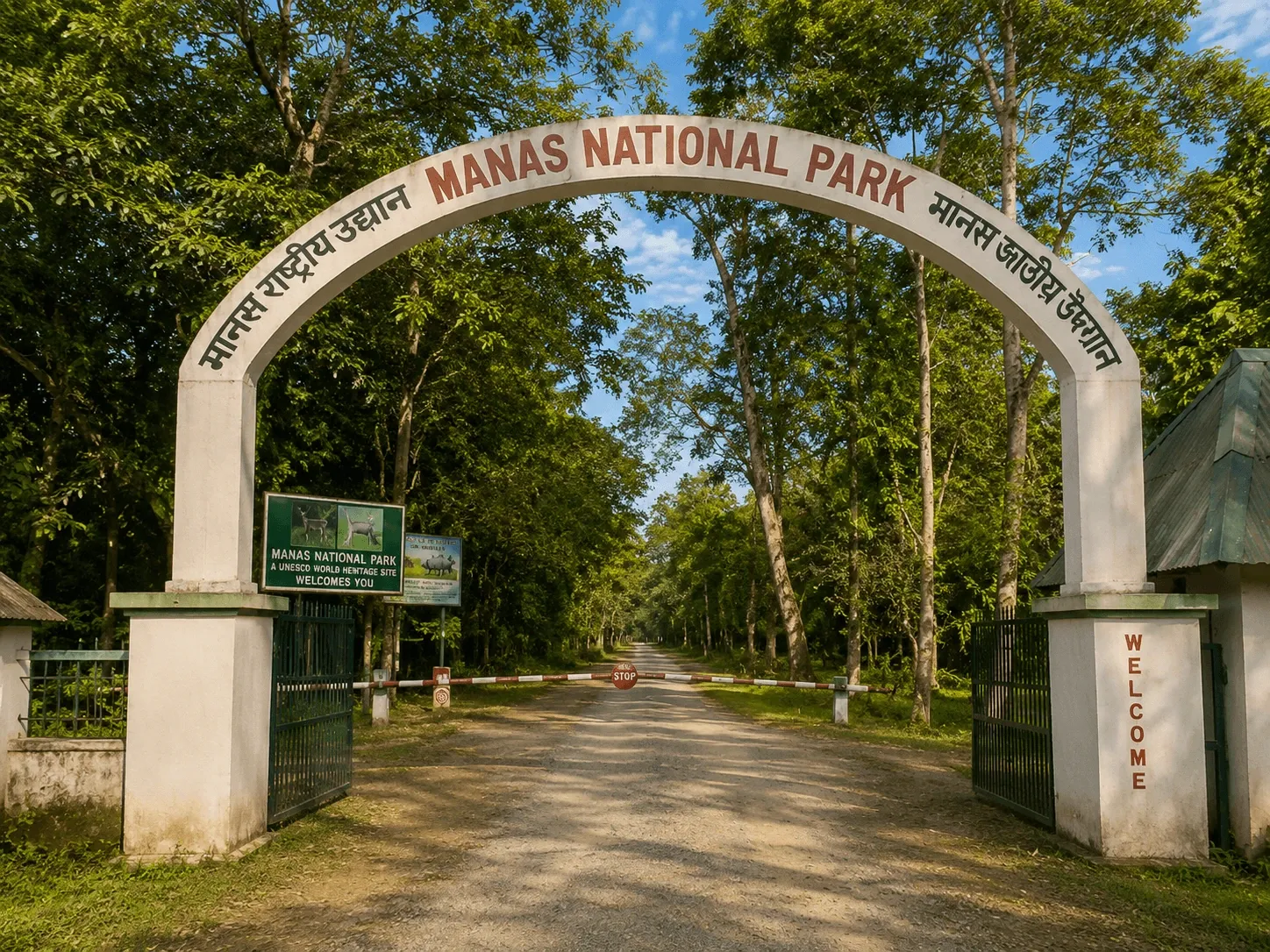
Manas National Park is one of Assam's most rewarding wildlife journeys for travelers who enjoy a quieter, more immersive forest experience. Located along the foothills of Bhutan, with the main tourist approach through the Bansbari side in Baksa district, Manas is known for its riverine beauty, grasslands, dense forest stretches, and rich wildlife. The landscape feels less crowded than some other national parks, which is part of its charm. A trip here is not only about safari sightings, but also about the calm river views, the forest road to Mathanguri, and the cultural warmth of the nearby Bodo villages.
Manas National Park
A UNESCO wildlife landscape of forests, grasslands, river views, and the Bhutan foothills
A Glimpse into the History of Manas
From Sanctuary to Protected Landscape
Manas has long been valued for its rich biodiversity, and over the years it evolved through multiple layers of protection including wildlife sanctuary, tiger reserve, biosphere reserve, and national park status. This long conservation journey helped preserve one of the most important forest and grassland systems in western Assam.
UNESCO Recognition and Cross-Border Importance
Manas gained international recognition as a UNESCO World Heritage Site because of its exceptional natural value and the presence of rare species. Its ecological importance is strengthened by its continuity with Royal Manas National Park in Bhutan, creating a wider cross-border wildlife landscape rather than an isolated forest block.
Recovery After Difficult Years
Like many protected areas, Manas also passed through difficult years when conflict and poaching affected tourism and conservation. Its revival is an important chapter in Assam's wildlife story. Today, the park stands as a strong example of how conservation, local support, and careful management can bring a damaged landscape back to life.
Significance of Manas National Park
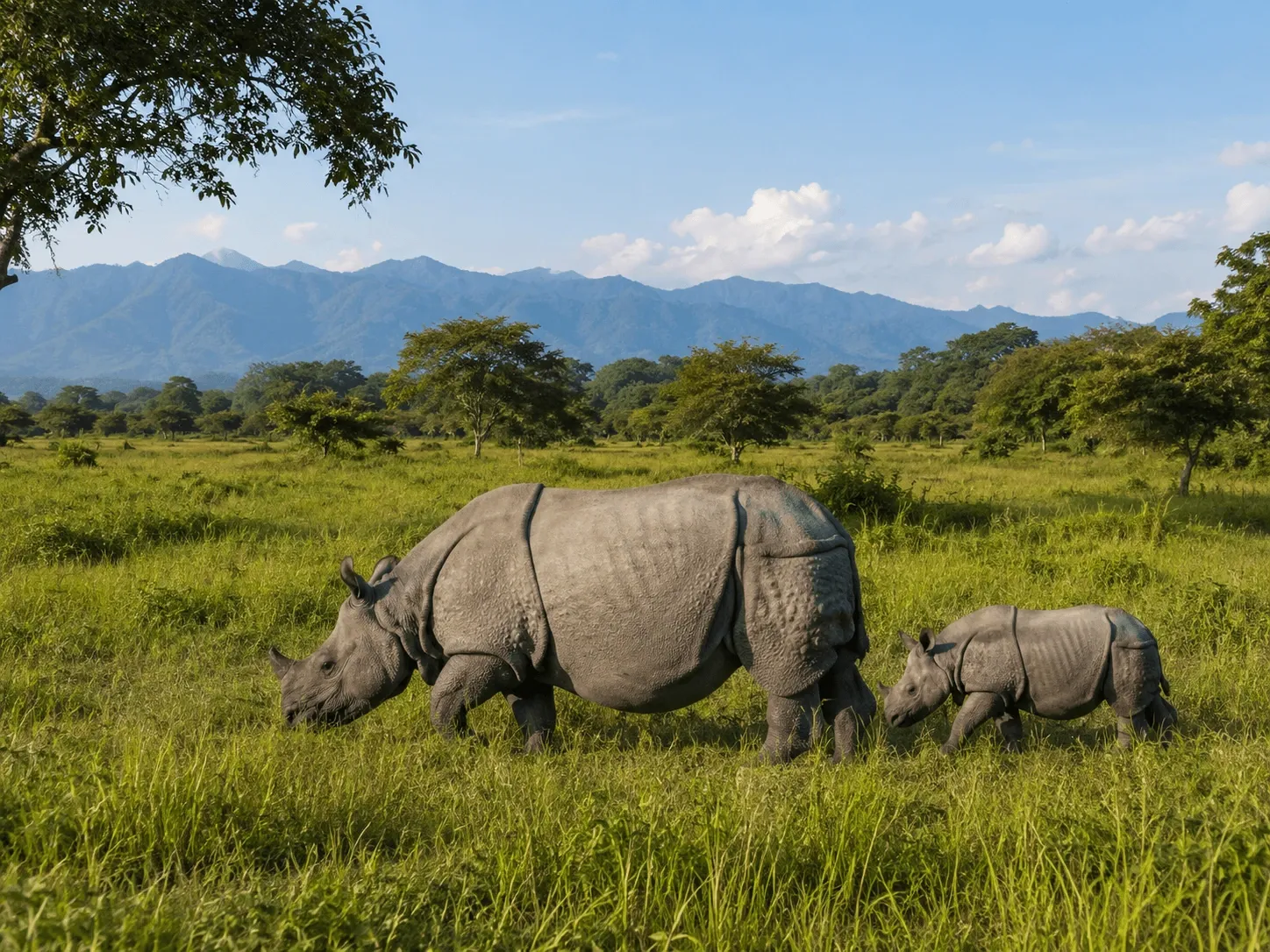
Manas is significant because it protects a rare mix of forest, grassland, and river ecosystems at the edge of the Bhutan hills. The park is known for endangered species such as the golden langur, pygmy hog, hispid hare, wild buffalo, tiger, and elephant. For Assam, Manas is not only a major wildlife destination but also a symbol of ecological recovery. It offers a different kind of safari mood, one that feels quieter, greener, and closely connected with both river and mountain landscapes.
Festivals and Seasonal Experiences Around Manas
Winter Safari Season
The most enjoyable travel season around Manas runs through the cooler months, when jeep safaris, birdwatching, and forest stays feel especially rewarding. Clear mornings and comfortable temperatures make this the most popular time for wildlife travelers.
Bodo Cultural Experiences Nearby
One of the most memorable seasonal experiences around Manas is spending time in the villages near the park, where visitors can get a closer sense of Bodo weaving, food, and local hospitality. This adds a grounded cultural layer to an otherwise nature-focused trip.
Special Highlight: The Road to Mathanguri
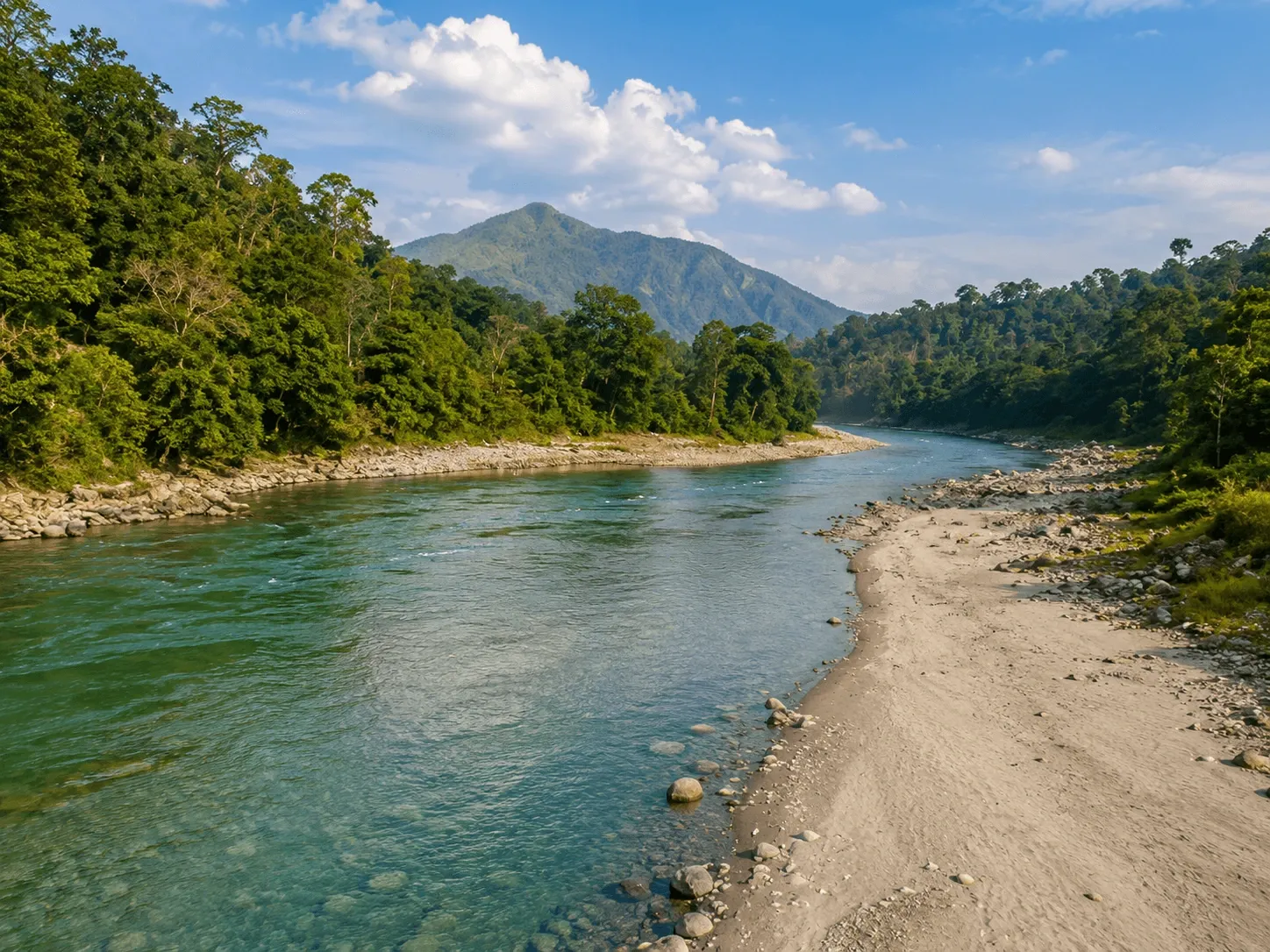
One of the most special parts of visiting Manas is the journey deeper into the park toward Mathanguri. The road passes through a landscape of river views, forest edges, and open stretches that feel wonderfully peaceful. If the weather is clear, the setting becomes even more memorable with the Bhutan hills in the background. This scenic blend of wilderness and silence is what makes Manas stand apart from more crowded safari destinations.
Travel Guide to Manas National Park
How to Reach Manas
By Air: Lokpriya Gopinath Bordoloi International Airport in Guwahati is the nearest major airport for Manas. For the commonly used Bansbari entrance, the road distance is roughly 137 to 140 km, depending on the route and final stay location.
By Train: Barpeta Road Railway Station is the nearest practical railhead for most visitors. It is around 20 km from the Bansbari side and is the usual train gateway for safari travelers heading into Manas.
By Road: The most common road route is Guwahati to Barpeta Road and then onward to the Bansbari entrance by hired car or local vehicle. Buses are available toward the Barpeta Road side, but a private vehicle is usually more comfortable for reaching the park gate and nearby lodges.
Best Time to Visit
The best time to visit Manas is from November to April, when the weather is more pleasant and safari conditions are better. Monsoon months are less reliable for travel because forest roads and tourism activity can be affected by rain and seasonal closures, so it is better to avoid planning a first visit during that period.
Local Attractions
Mathanguri: A scenic point deep inside the Manas landscape, known for river views and a memorable forest drive.
Bhuyanpara Range: Another important safari side of Manas, popular with travelers who want a quieter and more wildlife-focused experience.
Bodo Villages near Bansbari: Visiting nearby villages can add a cultural dimension to the trip, especially for those interested in weaving, local food, and community tourism.
Tips for Devotees and Travelers
Book safari slots and forest stays in advance during winter weekends, because Manas is quieter than some parks but popular rooms and safari timings still fill up fast.
Leave for safari early in the morning for softer light, better wildlife movement, and a more comfortable drive inside the park.
Carry drinking water, light sun protection, and insect repellent because some stretches can feel exposed during the day and buggy near greenery in the evening.
If you plan to go to Mathanguri, keep extra travel time in hand and follow forest staff instructions carefully, since entry rules and road conditions can vary by season.
Park Location
Image Gallery
Nearest Places to Visit
Mathanguri
Bansbari
Bhuyanpara Range
Nearby Bodo Villages